
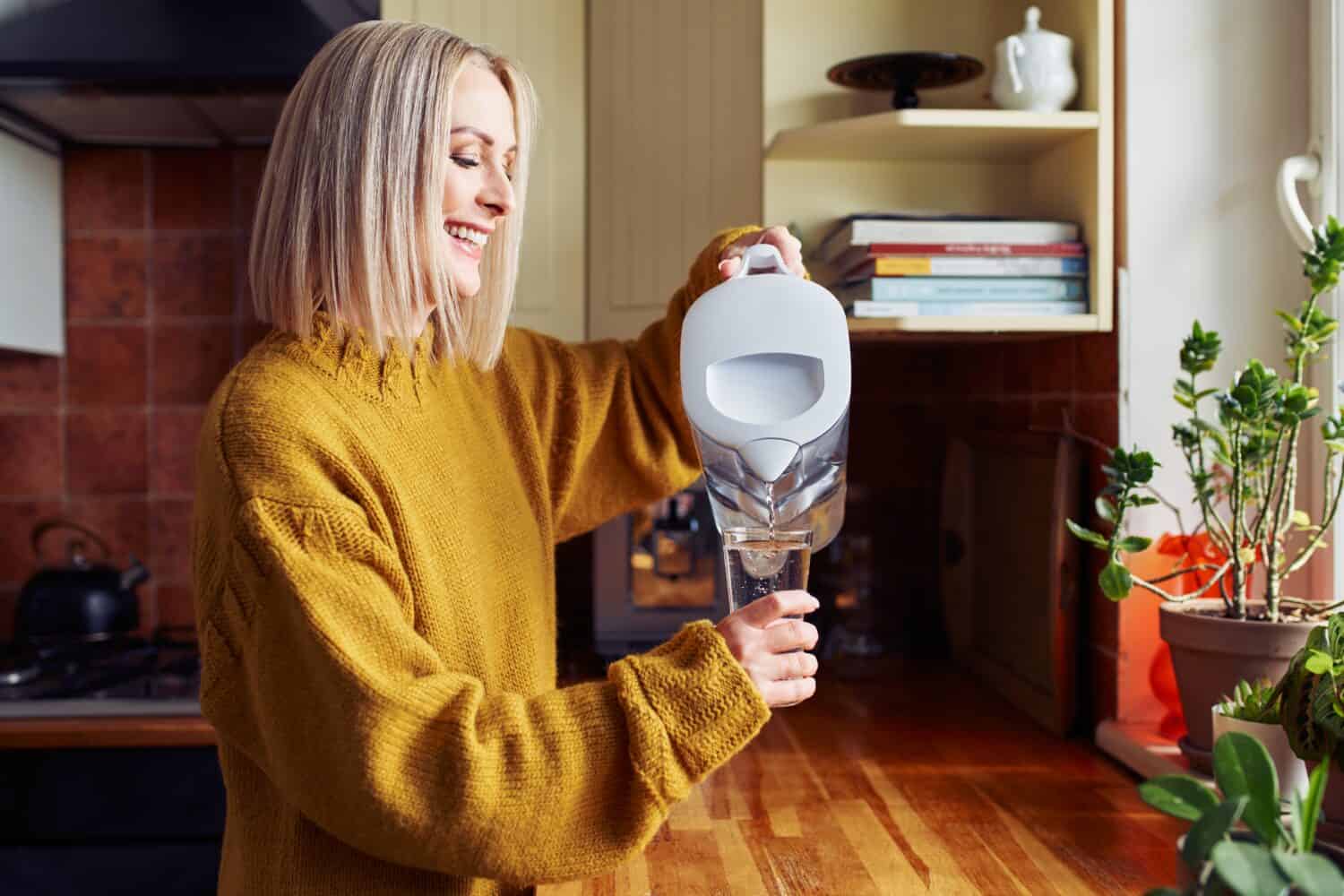
Water is essential to life, and clean drinking water is critical for health. Many people use water filters at home to improve taste, remove impurities, and reduce harmful contaminants. Two of the most popular brands in the market are Pur and Brita. But the question arises: is pur better than brita when it comes to water quality? In this article, we will explore how these two filters work, what makes them unique, and which might be the best fit for your needs.
Understanding Brita and Pur Water Filters
Before comparing the two, it’s important to understand how Brita and Pur filters work.
Brita Filters
Brita filters are widely known for improving the taste and odor of tap water. They primarily use activated carbon and ion-exchange resin to reduce:
- Chlorine taste and odor
- Some heavy metals like copper, mercury, and cadmium
- Particles that can affect water clarity
Brita filters are especially popular for households that want everyday clean water with better taste. Their filters usually last around 40 gallons or two months depending on usage.
Pur Filters
Pur filters also use activated carbon, but they are designed with additional filtration layers to target more contaminants. Pur filters can reduce:
- Lead
- Mercury
- Chromium
- Chlorine
- Certain pesticides and industrial chemicals
Pur filters tend to remove more contaminants than Brita, especially heavy metals. This makes Pur a better choice for households concerned about tougher water quality issues.
Comparing Filtration Performance
When asking is Pur better than Brita, one of the main factors is filtration performance. Let’s break it down.
Heavy Metal Removal
Pur filters excel at removing heavy metals like lead and mercury. Lead contamination in tap water can be dangerous, especially for children. Pur’s enhanced filtration system can reduce up to 99% of lead, which is a significant advantage over Brita.
Brita filters can remove some heavy metals, but they are less effective against lead compared to Pur. If your local water report shows higher levels of lead or heavy metals, Pur is likely the safer choice.
Taste and Odor
When it comes to taste, many users report that Brita filters produce smoother, better-tasting water. Brita focuses on removing chlorine and other chemicals that can give water a metallic or chemical flavor.
Pur filters also improve taste, but some users notice a slight difference compared to Brita. Therefore, if taste is your primary concern, Brita may be the preferred option.
Filter Longevity and Maintenance
Filter lifespan is another important consideration. Brita filters generally last longer than Pur filters for the same volume of water. This means fewer replacements over time, which can be convenient and cost-effective.
Pur filters may need to be replaced more frequently due to their more comprehensive filtration. However, this trade-off comes with the benefit of cleaner, safer water.
Real-Life Example: Choosing the Right Filter
Imagine two families living in different cities.
- Family A lives in an area with moderate tap water quality and wants better tasting water for everyday drinking. They notice a chlorine taste in their tap water and prefer a filter that improves flavor without frequent replacements. Brita is an ideal choice for them.
- Family B lives in an area with older pipes, and their local water report shows traces of lead and industrial chemicals. Safety is a top priority, and they want the most effective removal of heavy metals. Pur is a better choice for this family due to its superior contaminant removal.
This example illustrates that the choice between Pur and Brita depends on your specific water quality needs rather than one being universally better than the other.
Pros and Cons of Brita and Pur
Brita Pros
- Excellent taste improvement
- Longer-lasting filters
- Affordable replacement cartridges
- Easy to use and widely available
Brita Cons
- Less effective at removing lead and other heavy metals
- Limited removal of industrial contaminants
Pur Pros
- Superior heavy metal removal
- Can filter a wider range of contaminants
- Effective for households with water quality concerns
Pur Cons
- Shorter filter lifespan
- Slightly higher cost over time
- Taste improvement may be less noticeable than Brita

Factors to Consider When Choosing Between Pur and Brita
When deciding whether Pur is better than Brita, consider the following:
- Water Quality in Your Area – Check your local water report for contaminants such as lead, mercury, or chlorine.
- Health Concerns – Families with children or people with compromised immune systems may benefit from Pur’s higher contaminant removal.
- Taste Preference – If taste is a priority, Brita’s filters may provide smoother water.
- Maintenance and Cost – Factor in how often you are willing to replace filters and your budget.
- Filter Type and Capacity – Consider pitcher filters, faucet-mounted filters, or under-sink models based on convenience.
Making the Right Choice
Ultimately, both Pur and Brita have strengths and weaknesses. Pur is better for tougher contaminants and households that prioritize safety. Brita is suitable for everyday filtering, enhancing flavor, and longer-lasting filters.
By understanding your water quality, usage habits, and priorities, you can select the filter that best fits your needs. Remember that no filter can remove 100% of all contaminants, so regular maintenance and replacement are essential for optimal performance.
Case Study: Impact on Families
A study by a health-conscious family in Denver found that switching to Pur reduced the detectable lead levels in their tap water from 15 parts per billion (ppb) to below 1 ppb, significantly lowering potential health risks for their children. Another family in Austin switched to Brita and reported that water tasted fresher, leading to increased water consumption and fewer sugary drinks, which contributed to better overall health.
These examples show that both brands provide meaningful benefits depending on what is most important: contaminant removal or taste improvement.
Understanding Why Many People Ask “Is Pur Better Than Brita?”
How Water Concerns Lead to the Question
Many households start wondering is Pur better than Brita when they notice changes in their tap water’s clarity or smell. When families compare filter effectiveness, the question is Pur better than Brita naturally becomes important, especially if their area has aging water systems. As people learn more about potential contaminants, asking is Pur better than Brita becomes a practical part of keeping their families safe.
Why Filter Technology Makes People Compare
Filter technology has advanced, but people still ask is Pur better than Brita because each brand uses different methods to clean water. When comparing carbon filters and multi-layer filtration, homeowners often repeat the question is Pur better than Brita to determine which system matches their needs. The debate over is Pur better than Brita continues because many users want better performance, lower costs, and improved taste at the same time.
Examining Key Filtration Differences to Answer “Is Pur Better Than Brita?”
How Pur Targets More Contaminants
One major reason people ask is Pur better than Brita is that Pur filters are built to handle more contaminants. When water reports show higher levels of lead or chemicals, families start researching and asking is Pur better than Brita for heavy-duty filtering. In many cases, discovering how Pur handles heavy metals leads people to believe the answer to is Pur better than brita might be yes.
How Brita Focuses on Everyday Water Use
On the other hand, those who want better water taste still ask is Pur better than Brita, but they often learn that Brita is excellent for improving flavor. This leads some to question again, is Pur better than Brita or does Brita serve daily needs more effectively? For households without serious contaminants, the debate over is Pur better than Brita becomes more about convenience and taste than safety.
Real-Life Experiences That Spark the Question “Is Pur Better Than Brita?”
Families in Older Neighborhoods
Families living in older areas often ask is Pur better than Brita because their water systems may contain older pipes that release metals. When neighbors compare results, the community frequently revisits the question is Pur better than Brita to decide which system gives the best protection. As more people test their water, the question is Pur better than Brita appears again in discussions around safety.
Families Focused on Taste
Meanwhile, families who prioritize taste also ask is Pur better than Brita, but usually find that Brita’s flavor improvement suits their routine. Even after picking a preferred brand, many continue to wonder is Pur better than Brita when reading reviews or hearing feedback. Their conversations often circle back to whether is Pur better than Brita in taste or long-term performance.
User Convenience and Maintenance Influence Whether “Is Pur Better Than Brita”
How Maintenance Affects the Choice
Maintenance is another reason people debate is Pur better than Brita, especially when comparing filter lifespans. Some users discover that Pur filters need replacement sooner and ask again is Pur better than Brita when considering long-term cost. Because convenience matters, the question is Pur better than Brita becomes a blend of budget, effort, and reliability.
How Filter Replacement Frequency Creates Doubt
When filters need to be changed frequently, users go back to asking is Pur better than Brita or if Brita’s longer life provides better value. These comparisons make people evaluate usage habits and again repeat the question is Pur better than Brita as they try to balance cost and quality. For many households, deciding whether is Pur better than Brita depends on how often they use filtered water each day.
Conclusion
So, is Pur better than Brita? The answer depends on your priorities:
- Choose Pur if your primary concern is removing heavy metals and other contaminants.
- Choose Brita if your focus is improving taste, odor, and enjoying longer-lasting filters.
Both options improve water quality significantly compared to unfiltered tap water. By evaluating your local water quality, health concerns, and preferences, you can make an informed choice that ensures cleaner, safer, and better-tasting water for you and your family. Tap into deeper knowledge by returning to our core platform homepage.
FAQs
Is Pur better than Brita for removing lead?
Yes, Pur filters are generally more effective at removing lead compared to Brita. Pur can reduce up to 99% of lead in tap water, making it a safer choice in areas with older pipes or higher lead content.
Which water filter tastes better, Brita or Pur?
Many users find that Brita filters provide smoother, better-tasting water. While Pur improves taste, Brita excels in removing chlorine and other compounds that can affect flavor.
How often should I replace Pur and Brita filters?
Brita filters typically last around 40 gallons or two months, depending on usage. Pur filters often require replacement more frequently due to their comprehensive filtration, usually around 30-40 gallons. Always follow the manufacturer’s recommendations for optimal performance.