
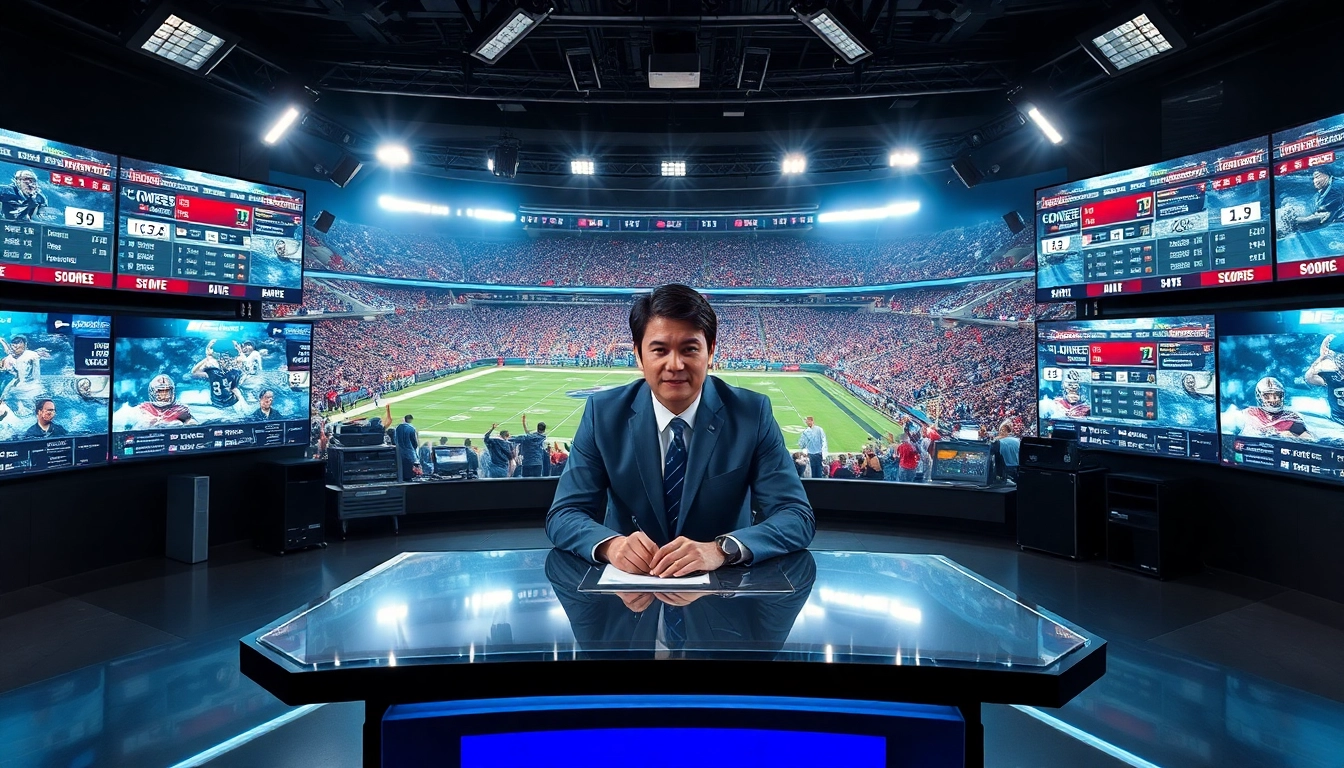
The Evolution of Sports Broadcasting
Sports Broadcasting has undergone a remarkable evolution, transforming the way fans engage with and enjoy sports. From humble beginnings to the fast-paced, technology-driven environment we see today, the journey of Sports Broadcasting is both fascinating and pivotal in shaping the sports landscape. This article delves into the various aspects of Sports Broadcasting, including its historical background, the impact of technology, and future directions. You can start by learning more about Sports Broadcasting.
Historical Background of Sports Broadcasting
The origins of Sports Broadcasting can be traced back to the early 20th century when radio became a popular medium. The first sporting event broadcast on radio occurred in 1921, with the boxing match between Jack Dempsey and Georges Carpentier. This event marked a significant milestone, laying the groundwork for future sports broadcasts. As the years progressed, radio became the go-to source for sports information, with announcers becoming household names.
Television emerged in the 1940s and 1950s, revolutionizing Sports Broadcasting. The 1958 NFL Championship Game, often dubbed "The Greatest Game Ever Played," became a turning point, showcasing the power of television in reaching wider audiences. By the mid-1980s, cable networks began to dominate, providing dedicated sports channels. ESPN, launched in 1979, became a leader in this space, blending news and live coverage.
Impact of Technology on Sports Broadcasting
Technology has played an instrumental role in reshaping Sports Broadcasting. The advent of satellite television in the 1990s allowed for a global reach, enabling fans to access games from around the world. High-definition (HD) broadcasting took the viewing experience to new heights, making viewers feel like they were part of the action.
Today, streaming services have revolutionized the industry by allowing for on-demand access to sporting events. Viewers can now watch their favorite teams from a variety of devices, including smartphones and smart TVs. Furthermore, social media platforms have changed how fans interact with content, driving real-time engagement and enabling accessibility beyond traditional broadcasts.
Key Milestones in Sports Broadcasting
Several key milestones have marked the journey of Sports Broadcasting. From the first live coverage of the Olympic Games in 1936 to the introduction of digital sub-channels in the early 2000s, each event has contributed to the evolution of the industry. The transition to 4K and 8K broadcasting has introduced unprecedented resolution and clarity, enhancing the viewing experience. The rise of interactive broadcasts, where fans can choose camera angles or access in-depth statistics, represents the next step in viewer engagement.
The rise of eSports and their inclusion in traditional Sports Broadcasting is another significant milestone. This shift demonstrates the changing landscape of what constitutes sports, reflecting evolving viewer interests and lifestyles.
Understanding Sports Broadcasting Formats
Live Sports Broadcasting Versus Recorded Content
Sports Broadcasting can be categorized into live broadcasts and recorded content. Live Sports Broadcasting brings the excitement of unscripted sports action directly to audiences, creating an adrenaline-filled atmosphere. Viewers experience every moment as it unfolds, generating immediate reactions and interactions.
On the other hand, recorded content provides a chance for detailed analysis and replays. Highlight shows and analysis programs allow audiences to digest information, giving them the ability to explore their favorite sports at their own pace. Both formats play crucial roles in reaching varying audience preferences.
Various Types of Sports Coverage
Different types of sports coverage exist to cater to the diverse interests of fans. Traditional broadcasts typically include play-by-play commentary, color analysis, and commentary from athletes. Additionally, niche coverage has emerged for various events, such as extreme sports and local leagues, tapping into the interests of dedicated fan bases.
Moreover, the rise of digital platforms has provided opportunities for unconventional coverage. Social media channels, podcasts, and streaming platforms allow for unique storytelling methods and distribute content that resonates with specific demographics.
Role of Commentary in Sports Broadcasting
Commentary is an integral component of Sports Broadcasting, acting as the voice that guides the viewer through the event. A captivating commentator can elevate the viewing experience, providing insights, background stories, and engaging narratives that keep the audience invested. The balance between play-by-play and analysis is crucial, as it ensures that coverage is dynamic and energizing.
Furthermore, the emergence of analytics and data-driven commentary is changing how broadcasts present information. Viewers now expect more than just play descriptions; they want to understand player stats, strategies, and game dynamics. Integrating comprehensive analytics into commentary enhances viewer understanding and enjoyment.
Trending Technologies in Sports Broadcasting
Virtual Reality and Augmented Reality in Sports
Virtual Reality (VR) and Augmented Reality (AR) are pioneering technologies reshaping the Sports Broadcasting landscape. Through VR, fans can immerse themselves in virtual stadiums, experiencing games as if they are there. AR can enhance live broadcasts, overlaying data and graphics that provide real-time statistics and insights without detracting from the viewing experience.
These technologies extend beyond just viewing; they can also engage fans through interactive content, including VR experiences that simulate gameplay or allow behind-the-scenes tours. As these technologies continue to evolve, they promise to redefine how fans connect with sports.
The Use of Drones in Sports Coverage
Drones have transformed aerial coverage in Sports Broadcasting, offering dynamic perspectives and angles previously impossible to achieve. They provide sweeping shots of fields, venues, and events, enhancing the visual storytelling of broadcasts. Drones are particularly impactful in outdoor sports, allowing for stunning cinematography while ensuring that viewers enjoy unique vantage points.
Additionally, drones can be used for real-time analytics, tracking player movements and strategies from above. This information can be shared with viewers, enriching their understanding of the game's dynamics and significantly improving the production quality of broadcasts.
Artificial Intelligence's Role in Sports Broadcasting
Artificial Intelligence (AI) is revolutionizing Sports Broadcasting through improved content personalization, predictive analytics, and enhanced automation processes. With AI algorithms, broadcasters can analyze viewer preferences and deliver curated content tailored specifically to individual interests, increasing viewer retention and satisfaction.
AI is instrumental in automating various production aspects, such as generating highlights, summarizing games quickly, and predicting viewer engagement. As AI technology advances, its integration into Sports Broadcasting will undoubtedly result in richer, more interactive experiences for fans.
Creating Engaging Content for Sports Broadcasting
Understanding Your Audience for Better Engagement
To create compelling Sports Broadcasting content, understanding the target audience is paramount. Audience demographics, preferences, and viewing habits should inform content development strategies. Engaging with fans through social media, surveys, and feedback allows broadcasters to gauge interest and tailor content that resonates effectively.
Moreover, staying attuned to current trends and emerging interests can help broadcasters pivot swiftly and deliver relevant content, ensuring they maintain viewer loyalty and interest.
Best Practices for Scriptwriting in Sports Broadcasting
Scriptwriting in Sports Broadcasting requires a balance of spontaneity and structure. Broadcasters should prepare frameworks that enable flexibility in the script, allowing for real-time adjustments based on the live event's flow. Incorporating hooks, anecdotes, and dynamic transitions helps keep the audience engaged.
Scripts should include key statistics and background information to empower broadcasters, enhancing credibility and providing valuable context for viewers. Continuous collaboration between producers and announcers ensures that scripting aligns with the production's vision and audience expectations.
Leveraging Social Media for Sports Broadcasting
Social media is a powerful tool for Sports Broadcasting, enabling real-time interaction between broadcasters and fans. Platforms like Twitter, Instagram, and TikTok offer opportunities for engagement through live updates, behind-the-scenes content, and Q&A sessions with athletes.
Effective use of social media can amplify broadcasts, creating discussions and encouraging viewers to share content, thereby expanding the reach. Broadcasters should share exclusive snippets, highlight clips, and host Twitter polls to keep fans engaged and invested, enhancing their overall experience.
Future Directions in Sports Broadcasting
Emerging Trends to Watch in Sports Broadcasting
Emerging trends in Sports Broadcasting point toward an increase in immersive technologies and personalized experiences. Interactive viewing options, such as statistics on-screen and alternate commentary streams, are becoming prevalent, catering to various audience preferences. Moreover, the integration of eSports into mainstream broadcasts signifies a shift in content strategies, presenting a new generation of sports consumption.
Moreover, the pairing of traditional sports with interactive gaming experiences is revolutionizing fan engagement, creating communities that bring together competitive and recreational elements.
Changes in Viewer Behavior and Preferences
Viewer behavior is changing dramatically, driven primarily by younger audiences seeking accessible and engaging content. The trend toward shorter highlight packages and real-time updates reflects a desire for bite-sized content that fits modern lifestyles. In addition, demand for interactive viewing experiences is growing, with fans wanting to have more control over how they engage with broadcasts.
Understanding these shifts is critical for broadcasters. Those who adapt to changing viewer preferences will thrive, ensuring they maintain relevance in an increasingly competitive landscape.
Predictions for the Next Decade in Sports Broadcasting
Looking ahead, predictions suggest that Sports Broadcasting will continue to evolve with advancements in technology and shifts in consumer behavior. Streaming will dominate traditional broadcasts, leading to an increase in population-specific programming, catering to niche interests and diverse demographics.
Moreover, the integration of augmented reality, improved personalized experiences, and more significant interaction through social platforms will redefine viewers' expectations and involvement levels. The future of Sports Broadcasting promises an exciting, interactive, and adaptive environment that will keep fans engaged like never before.
Frequently Asked Questions
1. What is Sports Broadcasting?
Sports Broadcasting refers to the live or recorded transmission of sports events across various platforms, including television, radio, and online streaming services.
2. How has technology influenced Sports Broadcasting?
Technology has enhanced Sports Broadcasting through improved accessibility, high-definition visuals, augmented reality, and analytics, transforming viewer engagement.
3. What are the benefits of live Sports Broadcasting?
Live Sports Broadcasting captures real-time excitement, fosters community engagement, and allows fans to experience the events as they unfold.
4. How can social media improve Sports Broadcasting?
Social media enhances Sports Broadcasting by enabling real-time interactions, sharing exclusive content, and building fan communities, boosting overall engagement.
5. What are future trends in Sports Broadcasting?
Future trends include increased streaming options, augmented reality experiences, and better integration of viewer preferences, creating more personalized content.